Why Is My Sink Gurgling (And What That Sound Actually Means)
A sink that gurgles when it drains is a vent problem, not a clog. Air is being pulled through the trap because the roof vent is restricted. Here is how to find and fix it.

Quick answer: A gurgling sink usually means the plumbing vent on your roof is blocked, not that the drain is clogged. When water leaves a fixture, air has to enter the drain system somewhere to replace it. That air normally comes through the vertical vent pipe that exits your roof. If a bird nest, a tennis ball, or a leaf pile is blocking the vent, air gets pulled through the trap instead, which makes the gurgle and lets sewer gas into the house. The fix is at the roof vent, not under the sink. Snake the vent from the roof with a garden hose or a drain auger. Total cost: $0 if you have a ladder, $150 to $250 to hire it out.
The gurgling sound is the giveaway. It’s not water-against-pipe noise; it’s the sound of air being pulled through a small column of water (the trap) at high velocity. Once you know what you’re listening to, you can’t unhear it.
Most homeowners hear it, assume the drain is clogged, snake the drain, and the gurgle keeps happening. The drain wasn’t the problem. The plumbing system’s air supply was.
This article covers what’s going on, how to confirm it’s a vent problem and not a clog, and how to clear a vent from the roof safely.
What the Gurgle Is Telling You
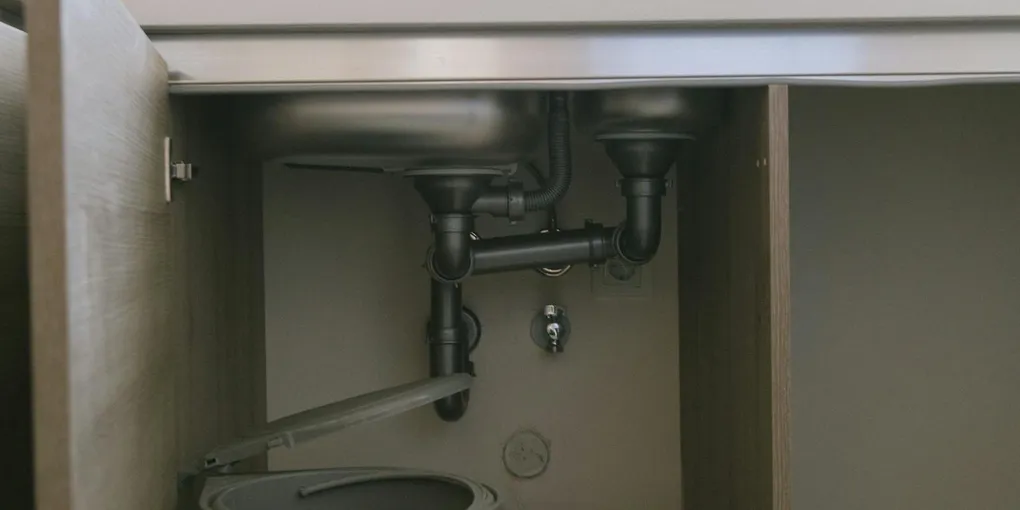
Every drain in your house has a P-trap, that’s the U-shaped bend that holds a small slug of water to block sewer gas from coming up the drainpipe. That water seal only works as long as nothing pulls the water out of it.
When a sink drains, the falling water creates a vacuum behind it in the pipe. The system needs air to break that vacuum, otherwise the falling water sucks the water out of every trap in the house. Normally that air comes down through the plumbing vent on the roof, a vertical pipe that exits the roof somewhere near the bathrooms. The vent lets atmospheric air enter the system as fast as the water leaves.
If the vent is blocked, the only place left for air to come in is through the P-traps of other fixtures. Air gets pulled through the trap water, against the direction of normal flow, and you hear it as a gurgle. The trap loses its water seal, and over the next few hours, sewer gas drifts into the house.
This is also why a gurgling sink is often paired with a faint sewer smell in the bathroom, the smells are the second symptom of the same vent problem.
Confirm It’s a Vent Problem, Not a Clog
A few quick tests separate the two:
Run another fixture at the same time. Fill a sink in another bathroom and let it drain while you watch the gurgling sink. If the gurgling sink burps water or its trap level visibly drops, you’re confirming a vent issue, water in one drain is pulling air through the other drain’s trap.
Listen at the toilet. A bathroom with a blocked vent often has a toilet that bubbles when nothing is flushing, especially right after someone uses the shower or the sink. Bubbling toilets are the same vent issue from a different fixture.
Snake the drain anyway, see if anything changes. A short snake (3 feet) clears anything that would actually be clogging the trap or tailpiece. If you snake and the gurgle continues, the drain is fine, the vent is the problem.
Check the roof. This is the definitive test. The roof vent is a 2- to 4-inch PVC or cast-iron pipe sticking 6 to 18 inches above the roof, usually within a few feet of the bathrooms below. Look down the top of the pipe with a flashlight. Visible blockage (nest, leaves, plastic bag, dead animal) means the vent is the answer.
The Most Common Blockages
In rough order of frequency:
- Bird nests. Birds love a warm vertical hole. Robins, starlings, sparrows, and house wrens all nest in plumbing vents. This is by far the top cause, and the timing peaks in spring (April to June) when nests are being built.
- Leaves and debris. Maple seeds, oak leaves, and pine needles accumulate in fall and pack down into a felt-like plug after a few rainstorms.
- A ball or other toy. Kids throw things on roofs. Tennis balls and softballs are the right diameter to wedge perfectly.
- Frost or ice. In northern climates, the warm moist air rising out of the vent freezes near the top in extreme cold, narrowing the opening to nothing. This is a winter-only cause.
- Wasps and hornets. Less common but possible. Wasps build inside the pipe rather than at the top, harder to spot.
The cause matters because it changes the clearing method. Soft material (nest, leaves) clears with a garden hose. Hard material (ball, dead animal, ice) needs a drain snake.
What You’ll Need
- A sturdy extension ladder rated for your roof height
- A garden hose with adjustable nozzle
- A drain auger / hand snake (15 to 25 feet, $30 to $50 if you don’t own one)
- A flashlight or headlamp
- Work gloves
- A second person at the base of the ladder
- Old clothes, this can get messy
Don’t go on the roof in the rain, in wind, or if the pitch is steep enough to scare you. If your roof is anything above a 6:12 pitch and you’re not comfortable up there, this is the case to hire it out, $150 to $250 for a plumber or roofer to clear a vent is reasonable.
Step 1: Get Up There Safely
Set the ladder on level ground. The standard rule (OSHA-derived, every roofer uses it): the base of the ladder sits one foot out from the wall for every four feet of ladder height. A 16-foot ladder sits 4 feet out. The ladder should extend at least 3 feet above the roof edge so you have something to hold while you transition.
Have a second person foot the ladder at the base. The ladder shifts more than people expect when you’re carrying gear up, and a kick-out with no one holding it is how people end up in an ER.
Wear soft-soled shoes (sneakers, not work boots) so you don’t damage shingles.
Step 2: Look Down the Vent First
Once on the roof, walk carefully to the vent. Shine the flashlight down. What do you see?
- Twigs, grass, feathers, eggs: Bird nest. Go to Step 3.
- A solid mat of dark leaves: Leaf pack. Step 3.
- A ball or hard object visible 6 to 18 inches down: Step 4 (snake).
- Looks clear, no obvious blockage: Probably ice (winter) or a deeper blockage further down the vent stack. Step 4.
Take a photo before you start clearing, useful if you need to call a plumber and explain what you found.
Step 3: Clear With a Garden Hose
This is the easy case and handles nests and leaves.
Have your helper at the ground turn on the hose at low pressure. Slowly snake the hose down the vent pipe, feeding it 3 to 5 feet at a time. The water washes soft material down the pipe and out through the house drain (you’ll hear the toilet gurgle below as the water passes through, that’s expected).
If the hose meets resistance, back off, increase the water pressure slightly, and try again. Don’t crank the pressure on a cast-iron vent stack, old joints can lose their seal.
Pull the hose out slowly. Run the water in the gurgling sink below. If the gurgle is gone, you’re done.
If the water was running out of the vent and onto the roof during this process, the vent is solidly blocked deeper than the hose can reach. Move to Step 4.
Step 4: Snake the Vent
A 25-foot drain auger (hand-cranked) reaches into most residential vent stacks. From the roof:
- Feed the cable down the vent slowly, cranking the handle clockwise.
- When you feel resistance, hold steady for a moment, then crank a few full turns to chew through the blockage.
- Pull the cable back out, wiping it with a rag as it comes up.
- Hose-flush the vent for 30 seconds to wash debris down.
For ice blockages: don’t try to snake or hose. Run hot water from inside the house (kitchen sink, bathtub) for 10 to 15 minutes. The warm air rising through the vent thaws the ice from below. Or wait for warmer weather.
For wasps: don’t poke a nest from the top. Treat with wasp spray from below (some have 20-foot streams), wait 24 hours, then clear.
Common Mistakes to Avoid
Snaking the drain instead of the vent. This is the #1 wrong move. You can run a 100-foot power snake through a sink drain and not touch the actual blockage if it’s at the roof. Listen for the gurgle to tell you which end to work from.
Pouring boiling water down the sink. It does nothing for a vent blockage and can crack older PVC fittings under the sink. The hot water trick is for soap-scum clogs in the trap, not for air problems.
Going on the roof alone. A ladder kick-out is the most common home-repair injury per the CPSC (about 90,000 emergency-room visits a year from ladder falls). Have a helper.
Skipping the protective screen install. Once the vent is clear, install a 1/4-inch hardware-cloth screen over the top of the vent to keep birds and debris out. Cut a small square, fold it over the pipe opening, and zip-tie it in place. A $5 prevention saves a $200 service call in 18 months when the next bird tries to nest there.
Adding an AAV instead of fixing the vent. Air admittance valves (AAVs) are spring-loaded one-way valves you can install under a sink to let air in without a roof vent. They’re legitimate in some jurisdictions, but they’re a workaround, not a fix, and the International Plumbing Code only permits them as a last resort. If your roof vent is blocked, fix the roof vent. Don’t bypass it with an AAV.
FAQ
Could a gurgling sink be a sign of a sewer line problem instead of a vent problem? Yes, occasionally. If multiple drains gurgle at once, the toilet bubbles when nothing’s flushing, and water backs up in the lowest fixture (often a basement floor drain), the problem is downstream of the house, in the sewer lateral. That’s a call to a sewer pro with a camera, $250 to $400 to scope the line.
My house was built without a roof vent. Are AAVs okay? Some newer construction uses AAVs at every fixture in place of a roof vent. Check your local plumbing code, the IPC allows it but many municipal codes still require at least one vertical vent through the roof for the whole house. If your house already passes inspection with AAVs, you’re fine. Just check the AAV is working (they fail closed, which causes the same gurgling symptom).
How often should I check my roof vent? Inspect once a year, ideally in late fall after leaves drop. A 1/4-inch hardware-cloth cap eliminates the routine inspection need but should still be checked every 3 years for rust or damage. The American Society of Home Inspectors lists vent inspection as a standard part of a roof check.
Will a Studor vent fix this without going on the roof? A Studor vent is an air admittance valve, same as an AAV. Installing one under the gurgling sink will let air in without fixing the blocked roof vent, which solves the symptom for that sink only. The rest of the house still has a blocked vent and sewer gas building in other traps. Fix the roof vent.
Why does my sink gurgle only when the washing machine drains? The washing machine drains a lot of water fast (60 to 100 liters in under a minute). On a vent that’s partially blocked, slow-draining fixtures might not pull enough air to gurgle, but the washer’s rapid drain creates enough suction to break trap seals. The vent fix above solves it.
How long can a gurgling sink go before it’s a real problem? Days to weeks for the gurgling itself. The actual concern is the trap losing its seal and sewer gas drifting into the house, which leads to faint smells and, over months, possible health effects (hydrogen sulfide and methane exposure). Don’t let it run for months. Schedule the vent clearing within a couple of weeks.
The vent looks clear and I’ve also snaked the drain, but the gurgling is still there. What else should I check? If the roof vent is open and the drain is clean and the gurgling continues, there are a few less-common causes worth checking. First, look at the AAV under the sink if you have one. Air admittance valves fail closed after 7 to 10 years of use, and a failed-closed AAV produces the same symptom as a blocked vent. Spin off the AAV (usually just hand-tight on a threaded fitting), test with the sink running, if the gurgle stops the AAV is bad. Replacements run $8 to $15 at any home center. Second, confirm the vent pipe hasn’t separated or cracked inside the wall cavity. An interior vent leak pulls air from the wall instead of the roof, which means clearing the roof opening fixes nothing. A plumber’s smoke test ($200 to $300) pressurizes the drain system with theatrical smoke and shows every leak point. Third, if the gurgle only happens when the washing machine runs, check whether the washer drain connects too close to the sink drain without adequate vent separation in the branch line. This is an installation problem, not a blockage, and usually needs a plumber to add a vent fitting at the right point in the line.
The gurgle is air, not water. Once you stop hearing it as a clog symptom and start hearing it as a vent symptom, the fix becomes obvious. Roof, hose, done. For the other common drain-noise issues, our bathroom sink not draining walkthrough covers actual clogs and the house smelling like sewer guide handles the trap-seal-failure aftermath.