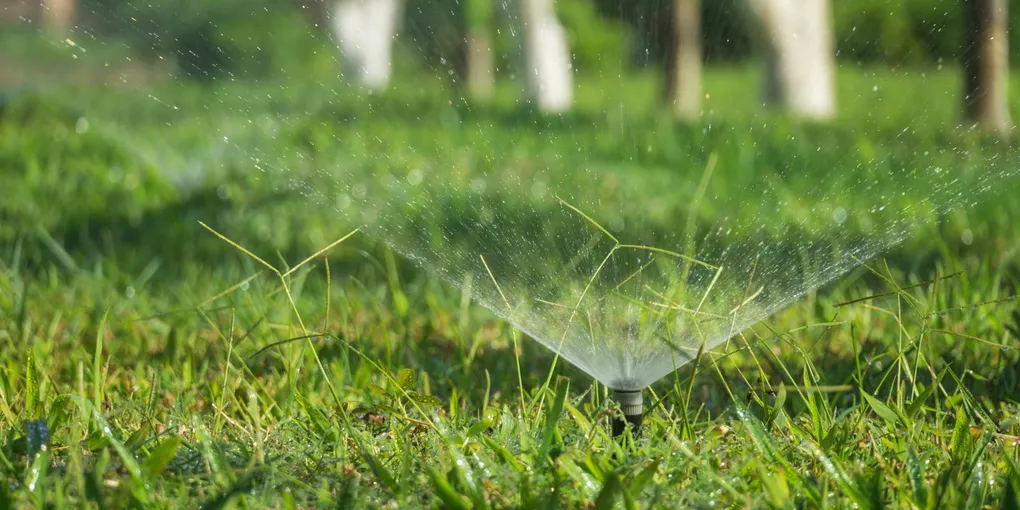
How to Fix a Sprinkler Head That Won't Pop Up (Step-by-Step)
Sprinkler head won't pop up? Debris, low pressure, and soil creep are the top causes. Most fixes take under 20 minutes and cost $3-8 in parts, or nothing at all.

Quick answer: A sprinkler head that won’t pop up is usually blocked by debris packed around the riser, short on water pressure, or sitting too low in the soil after a few seasons of settling. The fastest fix is pressing the riser down and releasing it four or five times while the zone runs, which clears most debris in under a minute. Pressure and height issues take a bit longer but are still DIY repairs with no special tools.
Sprinkler heads are built to stay invisible. Drop flush with the turf when the system’s off, pop up when the zone runs, retract when it finishes. When one stops rising, you get a brown patch and a zone that reads fine on the controller but isn’t doing anything useful.
The cause is almost always one of five things, and the repair order is shortest-first: try the debris flush before digging anything up.
What You’ll Need
- Flathead screwdriver (1/8” slot fits most Rain Bird and Hunter heads)
- Small wire brush or old toothbrush
- Garden trowel
- Teflon tape
- Replacement sprinkler head, if needed ($3-8 at any hardware store; match brand and pop-up height)
- Needle-nose pliers for the nozzle cap
Step 1: Run the Zone and Watch Before You Touch Anything
Turn on the zone from the controller and watch the head for a full cycle before you do anything else. A head that doesn’t lift at all points toward mechanical binding, deep debris, or a pressure problem on the line. One that lifts partway usually means low pressure or a partial clog. One that pops all the way up but sprays sideways or drips around the base is a nozzle or wiper seal issue, not a pop-up problem.
This thirty-second observation saves you from fixing the wrong thing. Mark the head with a small flag or rock so you can find it again once the zone shuts off.
Step 2: Clear Packed Debris
Grass clippings and fine soil pack into the gap between the riser and the body over time. This is the most common cause of a stuck head, and the fix usually takes under two minutes.
With the zone running, press the riser straight down with your thumb and let it spring back. Do that four or five times in quick succession. That pumping action forces water through the gap and flushes debris out. Sometimes a single grain of sand wedging into that gap is all it takes to jam the mechanism.
If pumping doesn’t free it, shut the water off at the zone valve and unscrew the top cap with your flathead screwdriver. Pull the riser assembly out of the body. Rinse it under the garden hose and use the wire brush on the seal area and the riser groove. Reassemble and run the zone again to confirm.
Rain Bird recommends this manual flush as a first step in their sprinkler maintenance documentation, and it clears the problem about half the time without any parts needed.
Step 3: Check the Zone Water Pressure
Pop-up heads need adequate pressure to raise the riser against spring resistance and still have enough flow for good coverage. Rain Bird fixed-spray heads are rated for 15-30 PSI operating pressure; rotor heads like the Rain Bird 5000 Series and the Hunter PGP are designed for 25-45 PSI. Below those ranges, heads that used to work fine will start underperforming.
If several heads on the same zone are all partially rising or giving weak coverage simultaneously, the problem is upstream, not in the individual heads.
Start at the zone valve, usually in a green plastic box buried at a corner of the lawn or near the backflow preventer. Open the lid and check that the valve is fully open. Partially closed valves are the most common cause of zone-wide pressure problems, especially after any irrigation work got done in the past year or two.
Also verify the backflow preventer handles. On a standard ball-valve style, handles should run parallel to the pipe when open, perpendicular when closed. On a gate-valve style, full open is counterclockwise until it stops.
If house-wide water pressure is low across faucets and fixtures indoors too, see the guide on diagnosing low water pressure throughout the house for a systematic walkthrough of the full supply chain.
Step 4: Raise a Head That’s Settled Below Grade
Sprinkler heads work their way down over a few seasons. Foot traffic, soil compaction, and freeze-thaw cycles all push them lower. When the top of the body sits more than about half an inch below grade, the riser runs out of travel before it can break the surface.
To fix it, dig a ring around the head with the garden trowel, about six inches out and four inches deep, until you can see the swing joint or flex pipe connecting the head to the supply line. Hold the supply pipe steady, unscrew the head by turning it counterclockwise, and rethread it at the correct height. The top cap should sit flush with the soil surface or about an eighth of an inch above it.
If the head is tilting rather than sunk, just loosen the swing joint fittings, hold the head vertical while you retighten, and let the soil settle back against it.
Compact the disturbed soil gently when you’re done so you don’t leave a raised ring that causes a new settling problem next season.
Step 5: Replace a Cracked or Damaged Head
A head that’s been struck by a mower wheel or edger blade usually can’t be repaired. The body cracks or the wiper seal tears, and no cleaning pass fixes structural damage.
Replacement heads run $3-8 and are available at any hardware store. When buying, match three things: brand (Rain Bird, Hunter, Orbit, or whichever you have), pop-up height (2”, 4”, 6”, and 12” are the standard sizes), and nozzle type (fixed spray versus rotor). Rain Bird and Hunter both offer retro-fit heads that drop into the body of an existing installation, which saves digging if the body itself is still intact.
To swap the head: shut off the zone valve, unscrew the old head counterclockwise, wrap two rounds of Teflon tape clockwise onto the supply fitting threads, and hand-thread the new head on. Don’t use channel-lock pliers on the body itself. Plastic threads crack easily. Snug it by hand, then give it a quarter-turn more with two fingers on the cap. Run the zone to check coverage pattern and adjust the arc if needed.
If you also have leaky outdoor faucets or hose connections in the same zone, tackling those at the same time avoids multiple partial shutdowns.
Common Mistakes
Forcing a stuck riser with a screwdriver. Press and release, don’t pry. The spring and wiper seal are light-duty components that don’t respond well to sideways force.
Not matching pop-up height. A 4” riser in a zone with thick tall fescue will never clear the grass. If the old head was the correct height and was sinking anyway, raise the body rather than swap in the same-size replacement.
Cross-threading plastic nozzle threads. Start every new head with your fingers and let it turn freely for the first two or three rotations before adding any resistance. Plastic threads that feel like they’re catching are cross-threaded, back it off and restart.
Replacing one head before checking zone pressure. If low pressure is the actual problem, swapping heads one at a time won’t help. Confirm the valve is fully open first.
Forgetting to adjust arc after replacement. A new rotor head defaults to a factory arc setting, typically 90 or 180 degrees, which may not match your zone layout. Adjust while the zone is running so you can see where the water falls.
FAQ
Why does my sprinkler head retract the moment the water turns off? That’s normal operation. The spring inside the riser is designed to retract when pressure drops. If the head retracts while the zone is still actively running, the wiper seal is worn and pressure is bleeding past it. Replace the head rather than the seal; the complete head costs the same as the seal kit and takes less disassembly.
How often should I walk a zone inspection? Once at spring startup and once in fall before winterizing catches most problems before they cause dead spots. Walk the zone while it’s running, not after, so you can see coverage patterns and catch anything dripping, spraying sideways, or not rising.
Can I mix Rain Bird and Hunter heads on the same zone? You can, but it creates complications. Different brands use different nozzle flow rates and spray radii, which leads to uneven precipitation across the zone. Some areas get too much water, some too little. Matching brand and series within a zone is simpler and gives more predictable results.
Water is weeping from around the base of the cap while the zone is running. What does that mean? Water leaking around the base of the cap, not from the nozzle, almost always means the wiper seal is cracked or worn. The seal sits at the top of the body where the riser passes through. Replace the head; a new one costs about the same as the seal itself.
My zone runs fine but one rotor head isn’t rotating. What’s the issue? On most rotors, the turbine and drive mechanism inside the body can get clogged with mineral deposits or debris. Some manufacturers offer a flush port or cleaning procedure. Rain Bird and Hunter both document this in their product guides for the 5000 Series and PGP respectively. If the rotor body is more than six or seven years old, replacement is usually faster than a cleaning cycle.
What’s the right pop-up height for my grass type? Short-cut lawns, Bermuda, Kentucky bluegrass, and similar varieties, typically use 4” heads. Taller grasses like tall fescue or buffalo grass, and any areas with thick mulched beds alongside turf, usually need 6”. Use 2” heads only in bare soil or very low ground cover. When in doubt, size up; a 6” head in a short-cut lawn just pops a little higher than necessary, which causes no harm.
Do I need to shut off the main house supply to replace a sprinkler head? No. Closing the zone valve is sufficient. The zone valve is the manual shutoff for that irrigation circuit, usually a solenoid valve with a bleed screw on it. Turning the bleed screw clockwise to close cuts water to that zone without affecting the rest of the house. For a garden hose connection or outdoor faucet replacement, you do need the main shutoff, but sprinkler head swaps don’t go that far into the supply line.
Conclusion
Most stuck sprinkler heads come back to debris, pressure, or soil height. Run the debris flush first since it costs nothing and works about half the time. If that doesn’t solve it, check the zone valve before digging anything up. Replacement heads are inexpensive enough that a cracked body is an easy call: swap it out, set the arc, move on.
If you’re also dealing with erratic outdoor water pressure that affects multiple zones, the water pressure diagnostic guide walks through the supply chain from the main shutoff through the pressure regulator and into the zone valves. EPA’s WaterSense program also publishes irrigation efficiency recommendations at epa.gov/watersense if you want to look at how the whole system is performing beyond the individual heads.